Znergy Cable - Australian Cable Manufacturers
  • Home
  • About
  • Contact
  • Home
  • About
  • Contact

Applications of Type 441 Cable in Modern Electrical Systems

10/15/2025

0 Comments

 
Picture
In the rapidly changing world of electrical and industrial, selection of cable is vital to facilitate effective, secure, and reliable supply of power. Of all the special cables utilized in modern systems, Type 441 Cable is best known for its toughness, flexibility, and capability of withstanding harsh environments. The cable is renowned for its heat resistance, superb insulation, and strength. Type 441 cables are widely used for industrial automation, power supply, renewable energy, and shipbuilding industries.

The blog presents the fundamental features, benefits, and varied applications of the Type 441 Cable in new electric installations, emphasizing the significant role that it plays in ensuring the functions as well as the safety of new electric installations.

What is a 441-Type Cable?

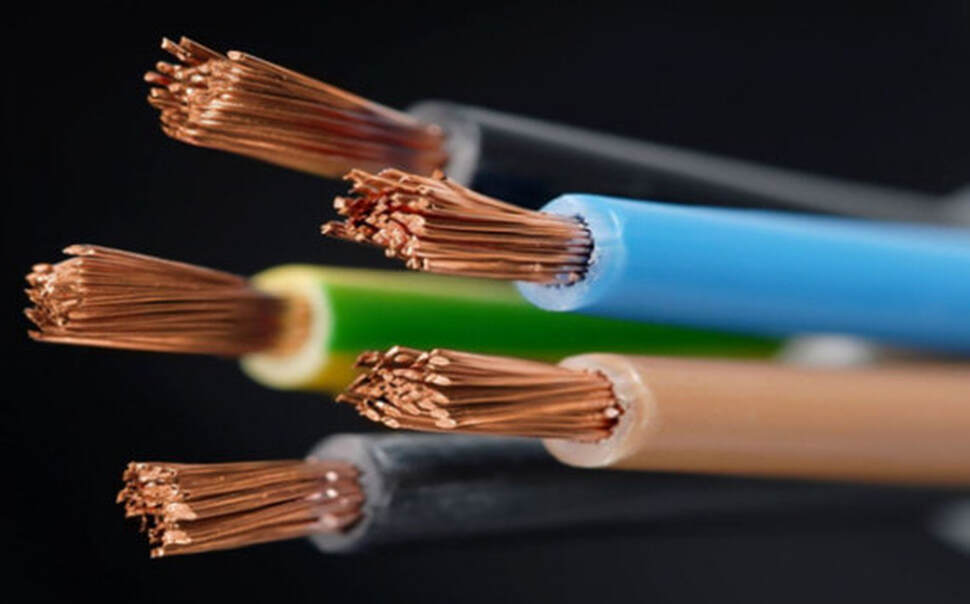
Type 441 Cables are high-quality electric Cables that are made with the specific intent to be installed under high-temperature conditions, mechanical stress, and abrasive operating conditions. Such cable usually consists of silicone rubber insulation along with a tinned-copper conductor to ensure a high level of flexibility with heat resistance, moisture, and oil, as well as chemical resistance.

Its operating temperature range is likely to be between -60°C and +180°C, covering both low-temperature and high-temperature running conditions. The incorporation of silicone insulation also guarantees stable electrical performance under conditions of vibration, flexing, and exposure to UV radiation, conditions prevalent in industrial and outdoor environments.

Main Features of Type 441 Cable

Let's discuss their applications later. Let's first find why Type 441 Cables are so adaptable. Their construction and composition give numerous benefits, including:
  • High Temperature Resistance: The Type 441 is engineered to withstand heat in addition to being able to maintain electric stability regardless of use in heat applications such as furnaces or factories.
  • Greater Flexibility: The silicone insulation is very pliable to be readily installed in tight spaces or moving components of equipment.
  • Chemical And Oil Resistance: The wires resist exposure to lubricating materials, solvents, and chemical compounds that are routinely found in automobiles as well as industrial uses.
  • Improved Service Duration: Good heat resistance along with mechanical resistance enables the Type 441 cable to achieve a long service life with a minimum cost of maintenance throughout the lifespan.
  • Resistance to Vibration: Able to be used on mobile equipment where vibration and motion will damage the conventional cable.
  • Fire and Flame Resistance: The silicone rubber material also offers intrinsic fire resistance, thus allowing for added security during the occurrence of electric breakdown.

Application of Type 441 Cable in Present Electric Installations

The ruggedness and flexibility of Type 441 Cable have secured the approval of numerous industries. Let us go through some of the most notable uses of the cable in detail.

1. Industrial Automation and Machinery

In modern assembly lines and factories, computer networks depend on mechanically strong, highly heat-resistant, always-in-motion cables. Type 441 cables are also extensively used to connect to motors, sensors, actuators, and control systems due to their heat resistance, among other reasons.

Important applications:
  • Conduit cabling within assembly machines and industrial robots.
  • Circuits that are exposed to oils, coolants, and vibration.
  • Power and signal transmission in computer-controlled conveyor systems.

Their ability to handle power and control their applications render them indispensable in the delivery of uninterrupted industrial operation with no loss of performance.

2. Power Generation and Distribution

The electric apparatus is found within hot temperature or chemical contamination locations within power generating stations and substations. Because of their thermal as well as chemical resistance, Type 441 cables are used within power transmission systems, control systems, and monitoring systems.

Applications are:
  • Switchgear, transformer, and control panel terminals.
  • Power cabling to turbine enclosures.
  • Thermal power plants and hydroelectric power stations.

Their ability to operate through thermal cycling with no loss of insulation offers guaranteed transfer of energy as well as system integrity.

3. Installations of Renewables

With increasing stress on green power, the installation of Type 441 cable is gaining wider acceptance in photovoltaic, wind power installations, etc. As the cable is resistant to moisture, temperature cycling, and UV radiation, the cable can be installed both outdoors and indoors.

Solar Energy Systems:
  • These cables join the solar panels with the inverters and the batteries with steady current flow despite direct sun exposure and variable temperatures.
  • Wind Turbines
  • In wind turbines, where the cables must be capable of accommodating movement and vibration as well as freezing conditions, Type 441 ensures effective power and signal communication between nacelles and control systems.

4. Marine and Offshore Applications

Marine conditions are among the most challenging on electrical devices from saltwater, humidity, and high mechanical stress. Type 441 cables' silicone insulation is a good one for protecting against moisture and corrosion, so they are well suited for shipboard cable, offshore platform, and harbour equipment applications.

Applications:
  • Shipboard control panels and power circuits.
  • Offshore drilling platform control cabling.
  • dockside gear and submersible equipment.

Their fire-retardant, non-toxic features also endorse maritime safety levels to guarantee that they achieve high offshore electric specifications.

5. Transport and Motor Sector

In the motor industry, rail and aircraft applications, such as where systems must withstand vibration, movement, heat, or oil, utilize Type 441 cables. They give good performance and flexibility from electric vehicle components to motor wirings in the motor compartment.

Applications:
  • Electric and hybrid automobile wiring harnesses.
  • Engine control units and lights.
  • Railway control, signalling, and power systems.

Low-smoke and halogen-free properties permit them to be installed in closed spaces such as aircraft cabins as well as in rail cabins.

6. Furnace and Heating Systems

Among the most significant applications of Type 441 Cable is in the use of furnace and heating wires, where the temperature is high. The silicon insulation will never crack nor deteriorate, thus guaranteeing the continuity of current even within close proximity to the heating coils as well as industrial ovens.

Use Cases
  • Electric kilns and furnaces.
  • Heating plates, temperature control units.
  • Industrial heat exchangers and HVAC..
In such conditions, the off-the-shelf PVC cable will shortly deteriorate, but the Type 441 resists loss of performance due to long-term heat exposure.

Conclusion

The more that industries evolve and incorporate higher-order electrical systems, the greater the requirement is within the marketplace for high-performance, heat-resistant cable such as Type 441 on a day-in, day-out basis. The ability to withstand extreme temperature conditions, mechanical stress, and weathering makes it a top contender for a variety of uses, including industrial automation, photovoltaic power systems, and marine.
Effectively, Type 441 Cable is the keystone of reliability, security, and technological innovation in power engineering nowadays. As such, by deploying this cable type within high-end systems, firms don't only experience the best possible performance but also the specific imperatives of security and sustainability.

Also Read: How to Find a Reliable Armoured Cable Supplier Near You?
0 Comments

Why TUV Approved Solar Cables Are a Must for Solar Installations?

8/20/2025

0 Comments

 
Picture
Introduction

The worldwide shift towards renewable resources is in progress at a breakneck pace, and the speed on the vanguard of the revolution is solar power. With governments, businesses, and domestic consumers buying solar products, record orders for safe, effective, and long-lasting installations have been witnessed. All eyes are on the solar panels, but there is one flat-out necessary piece of equipment that makes the entire system tick along together, and that's the cabling system. Among them, the solar cables that are TÜV certified are most efficient and secure.

In this blog, we will talk about why the use of TUV Approved Solar Cables in solar installations is so crucial, how they are utilized differently than normal cables, and the reasons for which they provide system efficiency, security, and cost savings in the long run.

What are TUV Approved Solar Cables?

TUV (Technischer Uberwachungs verein, which in English means "Technical Inspection Association") is probably the most well-known of the certification bodies to employ high levels of safety and quality to apply to all types of products in all sectors. Certification by TUV of solar installations ensures that solar cables are built strong enough to last out the rough conditions to which they will be subjected for their entire life expectancy period.

TUV-approved solar cables hold such cables that are tested for:
  • UV resistance
  • High heat resistance
  • Flame retarding
  • Abrasion resistance
  • Electrical efficiency and safety
This only makes the cable of international quality standards such as IEC 62930 or EN 50618 and thus immensely safe to use with solar energy systems.

Why Do Normal Cables Fail with Solar Systems?

Most of the companies of new solar installations for solar installations do solar incorrectly, thinking that solar can be done with any electrical cable. Solar subjects subject cables to far more hostile environments than ordinary electric systems.

The reasons why ordinary cables won't work are the following:
  • UV Radiation: The cables degrade quickly in the sun over extended periods of time. Cracking of insulation occurs, and this leads to catastrophic fire and safety risks.
  • High Heat: Wires and solar panels withstand high heat when the sun is blazing high in the day. Regular wires melt, become deformed, or lose their performance at high heat.
  • Weather and Humidity: Rain, temperature changes, and humidity impose pressure and stress. Normal cables become water-damaged and corroded.
  • Mechanical Stress: Solar panels induce extended cable runs, flexing, and repeated vibration due to motion or wind. Solar cables cannot be compared to non-solar cables.

In comparison, TUV-approved solar cables are designed to overcome all these problems and ensure long-lasting, reliable performance.

TUV Approved Solar Cables Key Features
  1. UV and Ozone Resistance: Solar cables are exposed to direct sunlight for decades. TUV-approved cables have ozone attack and UV aging resistant special cross-linked polymer (XLPE or EPR).
  2. Resistance against Temperature: Cables work well between the temperatures of -40°C to +120°C without degrading. It ensures reliability in harsh winters and hot conditions.
  3. Double Insulation Protection: Double insulation is offered in each and every TUV certified solar cable, and electrical leakage or short circuit due to accident is hence a matter of no consequence.
  4. High Voltage Tolerance: It has a voltage tolerance of 1500 V DC, sufficient to serve new high-performance rooftop arrays and large solar farms of the time.
  5. Low Smoke and Fire Resistant: The cables are fire-extinguishable in case they get burned and emit less smoke, protecting human life and property.
  6. Long Lifespan and Durability: TUV-approved cables themselves also have a life of 25+ years, approximating the same lifespan as solar panels themselves.

Why TUV certified solar cables cannot be replaced
  1. Safety Assured: It is a serious problem in solar systems where the continuous use of high-level DC voltages would be problematic. TUV certification would ensure that the cables would not degrade as a result of overstressing, fire hazard, electric shock, and system breakdown.
  2. Adherence to International Standards: These countries call for TUV certified cables and project financiers for EN and IEC conformity. These cables ensure smooth passage through controls and government fine evasion.
  3. Optimum System Efficiency: Low-quality cables are highly resistive and power-lossy. TUV-certified solar cables are of high conductivity, hence maximum power transfer between inverters and panels.
  4. Weather Resistant and Reliable: Since solar systems are installed outside, ruggedness is the key. TUV-approved wires last decades and cut down on replacement and maintenance frequency.
  5. Long-term cost savings: While the initial investment of purchasing TUV cables will be higher, they prove to be cost savers in the long term by saving on downtime, maintenance, and loss of power.
  6. Confidence of Insurance Companies and Investors: For the solar farms used commercially, investors and the insurers will always require evidence of certified components. TUV certification guarantees and indeed reduces the cost of insurance.

Impact of Using TUV Approved Cables in Real Scenario

Suppose there is an example of a solar farm with non-approved cables that experienced failure of insulation after three years. Replacement and subsequent downtime cost millions. But with TUV certified cables, it goes on for decades with less replacement but is still safe.

For residential customers, the difference may be fewer in quantity but none smaller in size. A substandard cable in a roof solar installation can be identified through repeated tripping, lower power output, or even the possibility of a fire. The TUV certified cables solve all of these problems, so you are relaxed.

Choosing the proper TUV approved solar cables

While choosing solar cables, the following are a few of the things to keep in mind:
  • Check Certification Mark: Find the mark of TUV Rheinland or TUV SÜD on the sheath printed prominently.
  • Verify Standards Conformity: Find out if the cable is conforming to IEC 62930 or EN 50618 standards.
  • Match Voltage Ratings: Utilize suitable system voltage cables and cables (usually 1000 V or 1500 V DC).
  • Consider Installation Conditions: Use more suited insulation and armour for harsher conditions (desert, marine, and snowy areas).
  • Select Appropriate Size: Largest cross-section = largest resistance and voltage drop.

Conclusion

​
Solar power is an investment that will pay dividends for decades. While panels, inverters, and batteries get all the accolades, cables are the lifeblood of the system. Cabling reduction is a compromise that might sacrifice safety, efficiency, and return on investment in the future. TUV-approved solar cables are not available; there is a requirement.

They provide international standard conformity, reliable performance under extreme conditions, and maintain financial and energy paybacks for solar schemes. Being a homeowner, installer, or developer of commercial projects, installing TUV approved solar cables is the smart and reasonable choice for a secure solar future.

Also Read: Key Technical Specifications of Mining Cables Every Engineer Should Know
​
0 Comments

What are the Types of Mining Cable?

7/22/2025

0 Comments

 
Picture
Mining tasks necessitate rugged, high-current electrical cable that would be appropriate in abrasive, harsh, and explosive environments. Mining cables, in contrast to common industrial wiring, must function well within deep shaft mines, wet tunnels, or dry open-pit mines where mechanical tension, thermal cycling, chemical contamination, and cycling of electrical loading are routine.

To balance these conditions, mining cables are built with more insulation, armoring, and flexing. Mining cables are the life support of mining machinery—powering drills, shovels, haulers, conveyors, pumps, and temporary light installations. On the basis of application, voltage requirement, and equipment mobility, different mining cables are employed in the industry.

This article is a comparison of the most popular mining cables: 450 mining cable, 440 mining cable, Type 241.1 mining cable, Type 245 mining cable, and trailing mining cable—how they are manufactured, how they work, and where they are applied in the industry.

1. 450 Mining Cable

450 mining cable is heavy-duty, high-voltage mining cable applied to the supply of heavy mobile mining equipment. Additional insulation and heavier outside sheathing make the cable especially suitable for underground and surface mines.

Key Characteristics
  • Higher-than-ever before mechanical tension, abrasion, and tensile strength
  • Flame retardant and chemical outer jacketing
  • Flexible copper conductor multicore cable
  • Typically marked for use for voltages above and through 3.3 kV.

Applications

450 mining cable is also used widely in applications involving dynamic cable movement like draglines, drills, and continuous miners. It is also utilized as an open-cut and underground mining operation portable transformer and substation feeder cable. It is abrasion-resistant and therefore is rugged. The cable is then utilized where no repair facility or replacement is available.
Read More

2. 440 Mining Cable

The 440 mining cable is also a standard cable that is utilized in mining and is generally rated for application at medium to high voltage. The cable is highly similar in construction to the 450 cable but may have some variation in insulator material, flexibility, and field range.

Characteristics:
  • Gouge- and tear-resistant with toughness and durability
  • May go through many cycles of reeling and unreeling
  • Good dielectric strength and electrical conductivity
  • Most suitable for horizontal and vertical cable runs

Low consumption

The cable is typically utilized in powering drilling equipment, mobile conveyors, and shuttle cars. The cable is most suitable for dynamic applications where there is more mechanical stress and where the cable has to be bent and shifted over and over again. The 440 mining cable is most used in surface and underground metal and coal mines.
Read More

3. Type 241.1 Mining Cable

241.1 is a general application for general underground coal mining usage of mining cable where maximum protection is required. It is a heavy-duty, flexible cable for energizing continuous miners and other equipment operated under extremely harsh operating environments.

Characteristics most significant:
  • Single-core or multi-core construction
  • Facilities easy to maneuver through highly confined spaces
  • Flame-resistant, static-proof sheathing
  • Normally contains pilot cores for control and monitoring and a centre earth core

Applications

This cable is primarily utilized in situations where safety through mechanical and electrical protection against damage is an essential parameter. It is used to withstand the spread of fire, prevent the ignition of gases, and sustain intensive use for prolonged periods of time. Type 241.1 is a gold standard used in underground coal mining whose safety is not being compromised.
Read More

4. Type 245 Mining Cable

​
245 mine cable is applied for reeling and flexible trailing in medium voltage. It is applied in general for power supply to mobile machines like shovels, draglines, and drills utilized in open-pit mining operations.

Principal Features:
  • Higher torsion, tension, and bending resistance
  • Well appropriate for mobile and dynamic applications
  • Applied to voltages typically in the 1.1 kV to 22 kV range
  • Insulated and protected with the capacity to resist heat as well as mechanical stability

Applications

Because of its flexible construction and excellent tensile strength, Type 245 finds its optimum application in reeling, where cable is constantly unwound and rewound. It supplies power round the clock to heavy machines, even in remote locations and permits longer work distances between equipment and power supply.
Read More

5. Trailing Mining Cable

​
Trailing cables are flexible mining cables that accompany moving mining machines, including shuttle cars, mobile substations, and underground loaders. They are designed to support multiple pulling, twisting, and intermittent crushing.

Major Features:
  • Highly elastic even at low temperature
  • They are reinforced with steel wire or Aramid braiding for extra strength
  • Oil, water, UV, chemical, and fire resistance
  • Composed of multiple conductors for power and control application

Applications

Trailing cables are needed in underground mines, where space to manoeuvre is limited and equipment must be able to travel. Trailing cables are constructed for harsh use, pulled over rough ground, through turns, and around wet or debris-clogged passages. Their ruggedness reduces downtime and maintenance.
Read More

Why the Right Mining Cable Matters?

It is more a matter of selecting the right voltage cable—there are just too many others to add into it, i.e., environment, mobility, mechanical load, safety specifications, and power load.
  • Voltage Range: The voltage requirement of the cable must be the same as the equipment's low voltage, medium voltage, or high voltage.
  • Flexibility Requirements: Tensile strength combined with flexibility is required for trailing or reeling applications.
  • Environmental Resistance: Cables in mines are exposed to oil, water, chemicals, dust, and physical wear. A cable jacket must be able to resist all of these. Safety Standards: More so underground coal mining, flame resistance and anti-static are cable specifications for cables such as Type 241.1. 
​
Final Thoughts

Among all the markets to serve, one of the toughest is the mining market, and cable reliability will directly affect operating safety and efficiency. Maybe it's the durable 450 and 440 mining cables for heavy-duty equipment, the Type 241.1 safety cable for hard-rock underground mines, the flexible Type 245 for mobile use, or the universal trailing cables that power mobile equipment—each cable possesses an intelligence.

To operators, electrical engineers, and purchasing specialists, awareness of the distinctive features and use of each type of mining cable makes proper selection, ensures uptime, and complies with safety standards. Wherever possible, consult competent cable manufacturers and electrical engineers in selecting the proper class of mining cable for your use. In mining, the proper cable doesn't merely provide power—emPOWERs safety, productivity, and excellence of operation.

Also Read: Types of Cable Your House Needs

0 Comments

Understanding Solar Cable Standards: A Guide to Solar Cables and Wires

6/2/2025

0 Comments

 
Picture
Solar power continues to gain popularity across the globe; what one uses to choose a suitable solar panel and wires is important. These additives are critical to the efficiency, safety and lifestyles of the photovoltaic (PV) equipment.
​
This blog by the Solar Cable Manufacturers provides solar cable types, specifications that regulate them and proper practices in selection and installation.

Solar Cable Types

The solar special cable lines are used to supply the special needs of the PV device, e.g., the temperature rise and fall and the UV radiation. The most general ones are:

1. PV -line (Photovoltaic Wire)

PV line is designed to be utilized on solar panel mounting in particular. It comes with cross-linked polyethylene (XLPE) insulation, which is of high temperature, water, and UV resistance. PV line can be utilized in grounded as well as ungrounded structures and can also be utilized in direct funeral homes. It is normally applied at a hundred and fifty degrees Celsius below temperature to ninety degrees Celsius in wet as well as dry applications.

2. USE-2 Wire (Underground Service Entrance)

USE-2 wire is used generally in grounded PV systems. It is also used as XLPE insulation resistant to daylight and moisture. USE-2 wire is not used in ungrounded systems or direct burial without additional protection than that of PV wire. The usage temperature of its application is generally up to ninety degrees Celsius.

3. THHN Wire (Thermoplastic High Heat-resistant Nylon-coated)

THHN wire is an approved-cause construction twine used in sun installations, usually where indoor wiring is the case. It's 600 V rated and can be used up to ninety°C for dry use and 75°C for wet conditions use. It doesn't have the UV resistance and strength required for outdoor sun installations, however. It's no longer replaceable with PV or USE-2 wires in some places.

Important Regulations that Govern Solar Cables

Standards compliance guarantees that solar cables perform as required and safely under different conditions. The most critical top requirements include:
  1. IEC 62930: The International Electrotechnical Commission 62930 intended to specify requirements for DC low-voltage cables in PV systems. It addresses factors like construction, performance, and testing with UV radiation resistance, flame retardant, and halogen-free materials to ensure reduced toxic emissions when the system ignites.
  2. EN 50618: It is a European company that deals in selling and looking for unmarried middle, loose halogen cables with pass-related sheaths and insulation. It entails the use of flexible (Class 5) conductors and accommodates cable sizes of 1.5 mm² to 240 mm². EN 50618 ensures the cables hold up well under extreme environmental conditions typical of PV installations.
  3. NEC Article 690: National Electric Code (NEC) Article 690 U.S. Solar PV deals with the installation procedures of the system.

Selecting The Perfect Solar Cable

Selecting a good solar cable is making a judgment on several factors:
  1. Voltage testing: Make sure that the voltage rating of the cable is higher than the maximum device voltage to rupture the insulation and protect you from liability risks.
  2. Showcase sporting ability: Select the cable that has sufficient power to cope with the anticipated modern day without heat overloading. It entails calculation of modern-day load on the equipment and takes into consideration ambient temperature and installation reputation.
  3. Environmental resistance: Cables must be made resistant to UV light, water, hot temperature and mechanical voltage. Such materials as XLPE insulation provide additional ruggedness for external packages.
  4. Resistance: No challenge is encountered in repairing flexible cables (elegance five conductors), especially in a system that is assured by close twist or movement. Flexibility also precludes any chance of damage when installed and used.
  5. Standardization: Always install cables that are able to satisfy pertinent international or national standards (e.g., IEC 62930, EN 50618, UL 4703) for protection and under normal operating conditions.

Installation pleasing practice

Long life and safety demand proper installation of solar cables:
  1. Routing and orientation: Tie back the cables to minimize contact with mechanical stress and support them at regular intervals to prevent section. Avoid tight bends and allow the minimum swing radius specified by the manufacturer.
  2. Environmental protection: Use derogations or protective coverings wherever physical degradation or closely cable ambient conditions prevail.
  3. Properly connect: Provide good contacts and adhere to the manufacturer's recommendation to avoid rusting or excessive resistance. Properly and securely join proper connections using cable ties.
  4. Regular inspection and refurbishment: Regularly check cables for damage, injury, or deterioration. Incorporate any inconvenience at once to maintain gadget integrity and protection.

Conclusion

There is a need to learn and conduct research on sun requirements for safe and efficient operation of PV buildings. By selecting the proper kind of cables, testing for compliance with applicable standards, and applying the finest installation best practices, stakeholders can ensure room for the tool's average overall performance as well as longevity. As the size of the solar company increases, it will become essential to gain knowledge about the needs and technology of today's times.

Also Read: ​Armored Cable vs. Flexible Cable—A Comparison
0 Comments

Unraveling the Mysteries of Power Cables: Everything You Need to Know

4/8/2025

0 Comments

 
Picture

​Power cables are an integral component of any modern electric as well as electronic system. Industrial machinery and home appliances, as well as data centres, use power cables to deliver efficient as well as uninterrupted electricity.

Being universal in every way, however, still not much is known about power cable technology of application, usage, as well as maintenance. There has been an attempt in the current blog to demythologize power cables by tabulating types, uses, construction methods, safety standards, and maintenance procedures.

Power Cables: Fundamentals and Constituents

Power Australian Cable is just a conductor that is utilized to convey electric power from one location to another. The basic constituents of a power cable are:
  • Conductor—Copper or aluminium, which is the innermost constituent where the electricity is permitted to flow.
  • Insulation—The cover that prevents any unintentional contact and short circuiting by confining the electricity to the conductor.
  • Sheath—External protective layer that insulates the cable from external environmental factors like water, chemicals, and mechanical loading.
  • Shielding—Electromagnetic interference (EMI) is minimized in certain cables through a metal or semi-conductive shield.

Types of Power Cables

There are various kinds of power cables, as explained by the Cable Manufacturer in Australia, and they all serve a specific use. Some of the most common types of power cables include:
  1. Low Voltage (LV) Power Cables: Low-voltage power cables are used for residential and commercial installations with a ceiling voltage of 1 kV. Low-voltage power cables can be utilized on a daily basis in residential wiring, office wiring, and low commercial wiring.
  2. Medium Voltage (MV) Power Cables: With power distribution applications ranging from 1 kV to 35 kV, MV power cables are mostly used in sub-station applications, industrial estates, and underground power supply systems.
  3. High Voltage (HV) Power Cables: Since they can support voltages above 35 kV, high voltage cables are employed in transmitting electricity over extended distances, i.e., from the power station to the substations.
  4. Armoured Power Cables: The mechanical protection is provided by the cables themselves, and hence they are employed in underground use or in difficult environments where additional strength is needed.
  5. Flexible Power Cables: Used where mobility is high, i.e., robots, lifts, and hand tools. These cables are utilized for added strength and flexibility.
  6. Submarine Power Cables: Used to supply power underwater, these cables connect subsea power grids, islands, or offshore wind farms.

Applications of Power Cables

Power cables find application in almost every industry and use. Some of the major applications are:
  • Residential and Commercial Developments—Lighting, HVAC, and general electric connections.
  • Industrial Equipment—Offer high-power equipment, automated equipment, and power equipment.
  • Energy Industry – Offer the power from power generation to cable delivery and substation.
  • Telecommunications—Offer the power to data centres and telecommunication equipment.
  • Transportation—Used for rail transportation systems, electric vehicles, and aircraft equipment.
  • Medical Equipment—Offer power to life-support medical equipment.

Choosing the Right Power Cable

To select an appropriate power cable, some things need to be kept in mind, keeping the following in mind:
  • Voltage Rating—Use a cable that can withstand the specified voltage rating.
  • Current Carrying Capacity—The cable should be able to carry enough current without getting hot.
  • Environmental Conditions—Exposure to various temperatures, chemicals, or water needs to be taken into account.
  • Specifications of Flexibility—The cables should be flexible if they are going to be used in robots or machines.
  • Standards Compliance—Select cables that conform to industry safety regulations and standards.

Power Cable Safety Standards and Regulations

Power cables need to be as per international as well as national standards for ensuring reliability and safety. A few of the most important governing bodies are:
  • International Electrotechnical Commission (IEC)—International standards for power cables.
  • National Electrical Code (NEC)—American electrical wire and cable installation code.
  • British Standards (BS)—British standards for power cables.
  • Underwriters Laboratories (UL)—Cable quality and safety testing.
Compliance with these standards minimizes equipment failure, electrical shock, and fire hazards.

Power Cable General Issues and Troubleshooting

Special care must be taken to make power cables safe and long-lasting. Some of the faults that are common are:
  1. Overheating: Overheating may cause breakdown and failure of insulation. Ventilation and load calculation shall be ensured properly.
  2. Physical Damage: Physical scratching, abrasion, and mechanical stress can damage conductors and cause short circuits.
  3. Ingress of Moisture: Ingress of water can also cause corrosion of conductors and contamination of insulation.
  4. Electromagnetic Interference: Lack of shielding may cause electromagnetic interference with sensitive equipment.

Maintenance Tips:
  • Wear and tear must be inspected on cables from time to time.
  • Do not expose the cable to the rated load.
  • Do not apply bending and twisting stresses to cables.
  • Use cable trays and conduits for additional protection.

Power Cable Future Trends

As technology advances, power cables are more efficient, longer, and greener. Some of the trends are:
  • Smart Cables – Internal sensors for performance and failure measurement in real time.
  • Eco-Friendly Materials—Biodegradable insulation material research.
  • High-Temperature Resistant Cables—Aerospace application high-temperature special-purpose cables.
  • Wireless Power Transmission—Wireless power transmission technology, which is in its nascent stage of development, has the potential to revolutionize cable application space.

Conclusion

​
Power cables are a crucial part of reliably and effectively transmitting electricity in most applications. Information on their type, make, applications, use, usage, application, and maintenance processes can be useful in helping individuals and organizations make an informed decision in the purchase and utilization of power cables.

Bypass safety regulations and keep pace with industry innovation to provide the reliability and extended life of power cable systems in a more electrified world.

Also Read: ​What Are Mining Cables? A Definitive Guide

0 Comments

Tips for Selecting a Reliable Cable manufacturer and Supplier

3/7/2025

0 Comments

 
Picture
Selecting a quality cable maker and provider is of the utmost importance to industries and businesses employing quality cables for electrical, telecommunications, industrial, and commercial applications. A quality provider provides lifespan, efficiency, and safety, all of which are of the utmost importance to cable performance. Some of the most important guidelines to help you select a quality cable manufacturer or Electrical Cables Company and provider that suits your needs are explained below.

1. Lay out your cable requirements:
Before selecting a cable maker, you need to define your own needs. The following is worth noting:
  • Cable Type: Power cables, data cables, coaxial cables, fiber optic cables, etc.
  • Voltage and Current Rating: Make sure the cables are appropriate for your planned electrical levels.
  • Application and Environment: Cables are used indoors, outdoors, underground, or in severe environments.
  • Compliance to Industry Standards: Cables must be in accordance with the regulatory and safety standards as would be applicable.
  • Having a clear idea of your requirements will guide you in the selection of a supplier who will be able to fulfill them accordingly.

2. Verify the Manufacturer's Reputation
A quality sound producer is one of the best indicators of product quality and longevity.
  • Respond to Internet postings and reviews.
  • Obtain referrals from customers so that you can hear the feedback firsthand.
  • Verification of the business history and business experience of the company.
  • Confirming their record of on-time delivery and quality.
  • A well-rated manufacturer with positive reviews will offer high-quality cables and excellent customer service.

3. Verify Certifications and Compliances

Such reputable cable makers support national and international standards in terms of their quality and safety. Check the following certifications:
  • ISO 9001: Quality Management System.
  • IEC (International Electrotechnical Commission) Standards.
  • RoHS (Restriction of Hazardous Substances) Compliance.
  • UL (underwriters laboratories) mark.
  • CE Marking: Mandatory for sale of cables in the European Union.
These marks guarantee the producer to follow rigorous test processes and produce high-quality cables up to industry standards.

4. Evaluate Manufacturing Facilities

Wherever feasible, go to the manufacturing facility or request a virtual plant tour to remember:
  • Quality of raw material used.
  • Process and technology used for manufacturing.
  • Testing and inspection process to ensure consistency in product quality. Personalization in case you need customized cables.
  • A firm that has enhanced factory tools and better quality control practices will have working and good cables.

5. Learn Product Quality and Testing Techniques

Having a quality cable maker with quality control is essential. Request samples, and what do they test it against? Regular tests are:
  • Tensile Strength Test: Determines the lifetime of a cable.
  • Voltage Withstand Test: tests the electrical resistance and insulation.
  • Flame Retardancy Test: Complies with fire protection codes.
  • Environmental Resistance Testing guarantees performance at extreme temperatures, humidity, and chemicals.
  • Quality manufacturers subject products to rigorous quality control tests to provide the best.

6. Consider Price and Cost-Effectiveness

Price is critical, but do not sacrifice quality for price. Get quotes from multiple suppliers and consider:
  • Bulk purchase over cost per unit.
  • Hidden charges, i.e., handling and shipping charges.
  • Long-term cost savings: Cable requires less in maintenance and replacement costs.
  • Select a supplier that gives you competitive prices without compromising the quality of the product.

7. Supply Chain and Delivery Reliability analysis

There must be a strong supply network and effective delivery system by credible suppliers. Discuss.
  • Delivery lead times and schedules.
  • Inventory management and stock levels.
  • Ability to accommodate bulk or rush orders.
  • Overseas coverage and distribution networks.
  • On-time delivery must be ensured to avoid project delay and disruption. business

8. Confirm After-Sales Service and Warranty Terms

Good cable manufacturers have good customer service and warrant conditions. Ensure that the supplier offers:
  • Installation technical assistance and troubleshooting.
  • Conditions of product replacement in the event of defectiveness.
  • Warranty for a reasonable period.
  • Tailor-made customer care services for instant redressal of grievances.
  • Customer support with personal service for instant rectification of issues.
  • Good after-sales service creates business and customer satisfaction that endures.

9. Assess Sustainability and Environmental Practices

Since environmental issues are increasing, you have to choose a Cable Manufacturer in Australia who is implementing a green policy.
Check:
  • Utilization of recyclable and green material.
  • Environmental compliance.
  • Implementation of energy-efficient production processes.
  • Environmentally friendly packaging methods and waste reduction.
  • Green producers always hope that everything in business is legal and sustainable.

10. Allow for Future Customization and Expansion Requirements

​
If future growth or future customization special cable needs are anticipated, choose a vendor that will provide:
  • Special cable production to precise specifications.
  • Expansion in the form of meeting growing business needs.
  • Ability to conduct research and create new products for production.
  • Flexible contract terms to adjust accordingly. Having a supplier that can respond to changing needs provides long-term effectiveness and reliability.

Conclusion 

The integrity, safety, and quality of a product are all reliant on having the appropriate cable manufacturer and supplier. When considering your requirement, scrutiny of certification, analysis of production capability, and cost, you are there. You will be a better supplier if you have a good supply base, better customer service, and sustainability values. Select a good manufacturer who will make you, your business, and operations a success. Do not consider price above reliability and quality, and give them long-term business deals on reasonable terms with quality cable manufacturers.

Also Read: ​Mining Cable: What Is It, Types & Uses
0 Comments

How to Choose the Most Protective Fire-Rated Flexible Cables?

1/15/2025

0 Comments

 
Picture
Safety is paramount on the subject of electrical structures in residential, industrial and business areas. The key to protection in ensuring hearth is the usage of Fire Rated Flexible Cables, which have caught fireplaces. These cables are designed to withstand intense temperatures and save you the unfold of hearth, making them critical for fire protection in vital areas which include buildings, infrastructure, hospitals, statistics facilities and tall buildings.
​
So, many elements need to be considered in the selection of the most defensive Flame Retardant Wires. Not only is it important that those cables offer reliable energy connections, but they also ensure the safety of constructing occupants and gadgets in view of a fire. In this blog, we referred to the important items: cable products, requirements, certifications, environmental considerations, and other essential troubles in the look for what needs to be carried out.

1. Knowledge of Heart Examination Principles

The first step in choosing the most protecting fire-insulated bendy wiring is to apprehend the fire specifications and standards for these insulated wires The fire-insulated wires are designed to face up to fireplace for a positive period of time in order that alarm, lighting, conversations, and other emergencies, even in case of fireplace, can continue to be operational Should be taken into consideration right here There are some important standards.
  • BS 5839-1: This widespread is used within the UK for the layout, installation and protection of fireplace detection and alarm structures in buildings. Defines fire resistance necessities for wiring utilized in alarm systems.
  • IEC 60331: This is the well-known standard that defines the fire overall performance of cables and specifies how long a cable can maintain function under fire situations. Doses are classified according to the length of flame resistance, for example, 30 minutes or 60 minutes.
  • UL 2196: This well-known for North America presents a way for testing the continuous fireplace performance of fireplace-handled cables over long periods of time
  • FT4/FT6: These are Canadian and US. Requirements for heart resistance and flame retardancy of the cables.
Each of those ratings gives us an idea of how the cable will act in the instance of a fire. When choosing cables, make sure they conform or surpass the fire rating for your particular construction standard and safety specifications.

2. Select Proper Cable Items

The materials of the cables help to ensure that they are fire-resistant and durable. There are two main types of smooth-fired fibres:
  • LSZH (Low Smoke Zero Halogen) Blades: LSZH blades are designed to emit minimum smoke and no halogen gases during a fire. These lines are ideal for places wherein the presence of smoke or toxic gases can pose extra fitness dangers, along with hospitals, faculties and transit facilities.
  • PVC – polyvinyl chloride pipes: fire-stuffed PVC pipes are the most common ones and have good resistance to fireplaces. However, they emit poisonous fumes when combusted and hence are much less suitable where safety levels are demanded to be higher.
  • XLPE (Cross-Linked Polyethylene) Pipes: These pipes have more excellent heat and fire resistance compared to PVC pipes. They are highly durable and perfect for commercial purposes.
The right cable cloth is chosen with the particular requirements in your space in mind. When smoke and toxicity pose a high risk, then LSZH traces are the go-to choice in most installations. XLPE cables tend to be more applicable to business and commercial uses that have high-temperature operations.

3. Fireplace Resistance Check

Not all fired soft wires are equal when it comes to hearth resistance. To determine the extent of safety the wiring provides in the case of a fireplace, the following must be tested:.
  • Heat Resistance: Ignited strains are designed to withstand intense temperatures. Conventional flame retardant cables can face temperatures from 70°C to 90°C beneath normal conditions; however, temperatures can upward thrust extensively throughout a hearth Refer to the producer’s specs for timing the period of the fibers to keep non-stop energy at excessive temperatures. A longer fire-proof length (e.g., one hundred twenty minutes or extra) affords better safety for the cable.
  • Self-extinguishing belongings: Some traces are designed to extinguish themselves while fired. This way they don’t burn through disposing of the external ignition supply. This characteristic facilitates saving you the unfolding of fire through the electrical wiring machine.
  • Flame retardant coatings and insulation: Look for fibre-resistant coatings, such as mica or vermiculite. These capabilities block the burning of wires even in prolonged fires, in addition to providing the needed protection.

4. Check for Compliance with Fire Safety Regulations

Ensure that fireplace-rated bendy cables are compliant with the relevant local fireplace safety standards. Besides the adhesion to the international requirements above, you should affirm that the cables meet all local construction hazards and electric safety necessities. Non-compliance with safety requirements can result in increased hazards and legal responsibility troubles.

For instance, in the UK, cables used in hearth alarms and emergency structures shall meet the BS 7629-1 general for fireplace-resistant cables, ensuring they remain functional at some point in a fire; in the US, the National Fire Protection Association gives recommendations for fire-resistant cables in dwellings.

In Summery

The selection of the highest hearth-resistant bendy wiring is one of the most crucial decisions you can ever make, as it directly impacts the protection and general performance of your electrical systems. You can make the right decision by knowing the fire rating requirements, selecting appropriate wiring, and testing fireproof materials based on your specific desires and local protection guidelines.

Environmental considerations and the producer's recognition play an essential function in ensuring that cables supply adequate tiers of protection in case of a fireplace. Put safety and overall performance first, creating human beings and property protection in case of emergency hearth with the help of Znergy Cable.

Also Read: ​How To Choose a Cost Effective Armoured Cable Manufacturer?


0 Comments

Important Things about Coiled Tubes That Should Be Definitely Know

12/10/2024

0 Comments

 
Picture
You know about coiled tubes, right, and do you know why they are critical components in several industries? If not, then you are at the right blog. Here you shall not only get to know about cables by Coiled Tube Manufacturers but also the important things that you all should know about them and make the right decision to get the best, their applications, materials, and why they are a preferred choice for many industries.

To find out more, let us explore more:

Understanding Coiled Tubes

What Are Coiled Tubes?

These are the long pieces of tubing that form the wounds for the coils, and they're shaped to allow for easy installation and even give adequate speed in the restricted spaces. So, if you consider using it, then you can use it in the piping system, where it requires high reliability, flexibility and durability.

Manufacturing processes for Coiled Tubes

The manufacturing process typically consists of the following steps:
  • Extrusion: Push out one long tube of squeezy.
  • Annealing: A heat-treating process to create flexibility and strength.
  • Coiling: The tube is physically coiled/domain for ease of transport and storage.
Key Features of Coiled Tubes
  1. Seamless Design: Usually, the most used method for coiled tube manufacture is through seamless piping, since a welded seam could bring more defects than seamless tubes. It also makes them stiffer and tougher in extreme conditions.
  2. High Corrosion Resistance: Stainless steel, nickel alloys and titanium are just a few of the materials offered for coiled tubes to provide unrivalled corrosion resistance, ensuring that these components are ideal for extreme applications, including offshore development and the chemical industry.
  3. Responsive and Robust: It comes in coil form too, meaning you can bend or shape it into tight spaces without compromising structural integrity.
This stuff has been socialized in various venues, from the New York Times to Scientific American, but what we have here is a tiny, up-to-the-minute sampling of coiled tubes.
  1. Stainless Steel: When it comes to coiling tubes, stainless steel is often the material of choice because it offers good strength, good resistance to corrosion, and high temperatures and pressures.
  2. Nickel Alloys: Nickel-based weld alloys (such as Inconel) are commonly utilized, though they perform well and are better suited to extreme temperatures and very corrosive environments, resulting in a very generalized application across oil and gas types.
  3. Titanium: Strong and light, titanium-coiled tubes are used in aviation and in medical applications.

Applications of Coiled Tubes
  1. Oil and Gas Industry: Common applications are drilling, well intervention and production with coiled tubing. The integrated design and low total cost of ownership result in superior performance, even in the most demanding environments.
  2. Medical Field: In medical applications, coiled tubes are used in devices such as catheters and endoscopes that need both flexibility and precision.
  3. Heat Exchangers: Coiled tubes are a key component of heat exchangers, as they allow for improved heat transfer in a minimal footprint.
  4. Automotive Industry: Coiled tubing is used in fuel lines, brakes and other applications where dependable operation and compact form are critical.
Coiled Tube and Its Benefits
  1. Space Efficiency: This caged frame design saves some space when it comes to storing a smaller press and operating the machine.
  2. Reduced Installation Time: Using pre-coiled tubes reduces the number of fittings and joints required during assembly.
  3. Enhanced Safety: To ensure safe working conditions, smooth coiled tubes create less leak-proof risk, making them better for industrial work such as chemicals and oil and gas.
How to Choose Coiled Tubes
  1. Material Selection: The material selection is determined by the service environment. Temperature, pressure, chemical exposure, etc. matter a lot for selecting materials.
  2. Tube Dimensions: The inner and outer diameters, wall thickness, and length of the coil must comply with application-specific requirements.
  3. Specifics on Standards and Certifications: When it is desired to provide fast and quality service, coiled tubes should be done in accordance with standards such as ASTM, ASME or ISO.
That said, you must also refer to your user guide.
  1. Regular Inspections: Regular inspections catch the wear, corrosion, or damage early before it becomes catastrophic.”
  2. Cleaning Procedures: Clean coiled tubes must be cleaned with suitable cleaning agents to ensure their longevity and promote the services provided, especially chemical processes.
  3. Storage Best Practices: Keep coiled tubes in a dry, clean environment to avoid damage from the environment and contamination.

Conclusion

The above information gives all a perspective that coiled tubes are essential in today's industries that ensure unmatchable flexibility, durability, and efficiency. Hence, you need to keep all this in your mind as a whole, as this will assist you in making the brilliant selection to ensure satisfactory performance, safety, and durability.

Other than this, if you want to know more about anything, then you can contact Znergy Cable directly to be updated with constant innovations in material and technological advancement. Coiled tubes will continue to be a key player in engineering and design.

Also Read: Factors to Consider in an Australian Cable Manufacturer
0 Comments

Importance of Power Cable in Today’s Life

9/13/2024

0 Comments

 
Picture


​Introduction


These days, power cables have become indispensable in almost every aspect of life. Power cables, whether for homes and offices or industries and public infrastructure, are like veins through which the lifeblood of electricity flows to power devices and systems that have become so integral in daily life. Indeed, reliance on power cables has grown by leaps and bounds because of technological advancement and increasing demand for energy. Without appropriate and safe power transmission systems, huge portions of modern society would come to a grinding halt.

1. Power Cables: The Backbone of Modern Infrastructure

The power cable forms the heart of every electrical infrastructure, since it is the medium that connects the source of power generation to the ultimate consumer. Power cables render the electrification process faultless in homes, offices, and factories, besides in public services. The task of such cables exceeds mere electricity supply but assures their reliable operation as those central elements in the economic and social system of nations. 
  • Residential Use: Electricity cables form the backbone of residential electrical systems since they provide electricity for running household appliances such as refrigerators, televisions, lighting systems, air conditioning, and many others. With the trend for smart homes on the rise, the power cables provide connectivity for a wide array of devices aimed at comfort, security, and energy efficiency. Modern homes depend on a network of power cables for high-voltage applications such as HVAC systems and low voltage applications for internet connectivity.
  • Commercial: Shopping malls, office buildings, and restaurants are among the commercial establishments that require uninterrupted supply to operate with convenience. Power cables allow for an uninterrupted supply of utilities from as basic as lighting and air conditioning to computers and security systems. With these systems being complex, especially in high-rise buildings, there is also usage of specialized power cables designed to meet the specific electrical requirements for safety and efficiency.
  • Industrial Use: Power cables are very crucial for the running of factories, warehouses, and manufacturing plants. In these places, high-powered machinery exists that requires a lot of electricity in substantial and consistent amounts. These industrial power cables are designed to bear higher loads, resist extreme environmental conditions, and provide the required durability for continuous use. Power cables form the lifeline for machinery that drives production in industries related to mining, automotive, steel production, and chemical processes. 

2. Power Cables Technological Developments

Power cables have experienced tremendous changes over the years. Centuries ago, the cables were made from simple materials, including copper and aluminum. Nowadays, advanced materials along with advanced technologies are taken into consideration to ensure better conductivity, flexibility, durability, and safety.
  • High-Voltage Power Cables: High-voltage power cables or HV Cable have become extremely important in the transmission of electricity over extra-long distances from different generating plants to substations. These are designed with minimum loss of energy and to bear harsh environmental conditions. Advanced insulation materials used with these cables minimize the risks of short circuits and electrical fires.
  • Fiber Optic Power Cables: With the Internet and communication networks come fiber optic power cables, which are essential tools in this field. They have practical applications that range from transmitting data with light through very long distances at increased speeds and bandwidth compared to conventional copper cables. This, in turn, is applied to everything, from connecting to the Internet to infrastructure for telecommunications, facilitating high-speed data transmission across modern interconnected borders.
  • Submarine Power Cables: Submarine power cables have, meanwhile, been developed for transferring electricity from remote areas, including offshore wind farms, to the mainland, in response to increased demand for renewable energy. Such cables need to bear heavy water pressure while maintaining reliable connectivity even in the depth of the ocean. They can also facilitate power exchange between continents, thus interlinking different grids of various countries. 

​3. Power Cables: Consideration of Environmental Impact

Environmental impact emanating from power cables is among the key factors in life today. Due to the rapid rise in climate change awareness and the shift to renewable sources of energy, the contribution of power cables in minimizing the carbon footprint and increasing energy efficiency has become one of the factors to reckon with.
  • Sustainable Materials: The production of numerous power cables currently relies on ecological material inputs. A good example is cables containing low percentages of halogens, which reduce the amount of toxic gases emitted in cases of fire, thus making them safer for both the environment and public health. Other producers are working on the creation of recyclable materials in cables that can be used again once they have reached the end of their life cycle.
  • Energy Efficiency: Modern power cables are designed to minimize energy loss in transmission. This is particularly crucial when it comes to long-distance transmission, whereby conventional cables will waste a greater amount of energy as heat. Advanced insulation materials, better designs for conductors, and enhanced manufacturing processes give rise to high-performance cables, which ensure minimal loss of energy to reduce the overall carbon footprint of power transmission.
  • Renewable Energy Support: The power cable plays a crucial role in the development of renewable energy infrastructure. Wind, solar, and hydroelectric plants are all dependent on a power cable to transmit the generated electricity to the grid. As more countries began to move toward cleaner sources of energy, demand for highly efficient and durable cables that could support the requirements for renewable energy transmission started to surge. This, in turn has driven innovation, such as flexible cables that can be installed in harsh conditions, such as remote solar installations or offshore wind farms. 

4. Safety Aspects of Power Cables

The most important design and installation aspect of power cables is safety. Improperly installed or old or faulty power cables can cause electrical fires that at worst destroy equipment and kill people. Because of the extensive hazards associated with them, power cables have both intense standards and regulatory scrutiny in both manufacture and application.
  • Fire Resistant Cables: Fire-resistant cables in application are one of the major breakthroughs in the field of power cable safety. Such cables can sustain their operability in case of a fire to keep vital systems such as emergency lighting and alarms functioning. Fire-resistant cables are increasingly installed in many commercial and industrial buildings and form part of critical mitigation strategies against electrical fire hazards.
  • Insulation Materials: The insulation material used in power cables plays a very important role in their safety. Modern insulation materials include PVC, rubber, and polyethylene; insulation of these materials on the conducting core prevents short circuits and electrical shocks. These materials have heat, moisture, and chemical resistances, and thus operate on wide varieties of environment conditions.
  • Proper Installation and Maintenance: No matter how advanced a power cable might be, proper installation and periodic maintenance determine its effectiveness and safety. Cables that are installed improperly create serious hazards ranging from electrocution to fire. On the same note, neglected cables deplete with the passage of time and this may lead to failures. It requires regular inspections coupled with a strict application of the protocols related to safety so as to ensure that the power cables shall operate efficiently and safely. 

5. Future Trends and Innovations in Power Cables

The future of power cables is exciting, as many innovations are on their way to further improve the efficiency, safety, and environmental impact of this commodity item.
  • Smart Cables: Development is underway for the creation of smart cables through sensors and IoT, which will be able to monitor their own condition in real-time. Applications of smart cables include fault detection, temperature sensing, and energy losses, serving to alert an operator to impending issues that could escalate into major problems. Smart cables help improve the reliability of a power grid and can minimize the number of manual inspections, thus reducing operational costs.
  • Wireless Power Transmission: Though still in its infancy, wireless power transmission is an exciting principle that might soon do away with conventional power cables for the world. With the aid of technologies such as inductive coupling, resonant inductive coupling, among others, one day wireless power transmission may overcome hard wiring for short-range electric supply. It would greaten minimize the hassles of heavy physical infrastructure in transmitting power and would extend new horizons to the thinking of urban planners and developers.
  • Superconducting Cables: Superconducting cables are another promising technology; they provide absolutely zero resistance to electric flow at very low temperatures. This means the electricity can be transmitted with almost no energy loss, making them ideal for high-efficiency power grids. While cost and issues in maintenance for the low temperatures required for these materials to remain in a superconductivity stage present a barrier to its mass application, research continues unabated, and the prospective benefits from superconducting cables are immense. 

Conclusion

Power cables are the unsung heroes of modern life, and their importance cannot be overemphasized. This importance is deeply engraved in powering homes and businesses to supporting industrial production and renewable energy infrastructures. In the years to come, power cables will become smarter, more efficient, and greener as technology advances. Advances in materials, safety standards, and even groundbreaking technologies in wireless power and superconductivity are just the beginnings of the future in power transmission.

Understanding the role of power cables helps us appreciate the infrastructure hidden in the ground that keeps lights on, machines running, and the world moving forward.

The details about the different types of Power cables give everyone the idea that everyone should know about these to know how & where they should utilize them to have profitable output. But if you still feel like taking more information before coming to a decision, then you can get in touch with Australian Cable Manufacturer now, as they will help you in all possible ways.

Also Read: ​How To Choose a Cost-Effective Cable Manufacturer?


0 Comments

Factors To Consider While Installing Solar Power

6/18/2024

0 Comments

 
Picture

Solar power is a popular & environment-friendly way to generate electricity for homes & different businesses. This is why everyone needs to have the appropriate tuv approved solar cable installed by the best as well as experienced cable manufacturer.
But with this, they are confused about the thing that which factors need to be considered by them to make the best choice. So, for that, we are here with this best informational post that will help you know about those essentials that you should not forget when considering having a supply of electricity.

Let’s jump in to know about them:

1.   Energy Needs: This is the most important factor that everyone should remember is that everyone should assess the energy consumption to determine the size of the solar power system required. As, this is related to energy needs, so you should not miss out on reviewing your electricity bills to understand your average daily & monthly usage. It’s important to know because this will help you in sizing the system as per the energy demand.

2.   Assessing Your Energy Needs
  • Determine Your Current Usage: Examine previous utility bills to determine the average energy use in your home. This will enable you to choose the appropriate solar panel system size for your requirements.
  • Consider Future Energy Demands: Factor in any plans to expand your home or add new energy-intensive appliances. Anticipate how your energy needs may change over the lifetime of the solar system.
3.   Roof Condition & Spacing: When it comes to even thinking of getting the solar power system installed you should have a look at the roof condition & spacing. It’s because this will help you to know whether the roof condition & spacing would be appropriate for your solar power installation or not. And if not, then what can be done to make this possible & have the best results.

4.   Evaluating Your Property's Solar Potential
  • Assess Roof Orientation: Analyze the direction your roof faces to ensure maximum sun exposure for the solar panels. South-facing roofs are ideal, but east or west-facing can also work well.
  • Calculate Your Energy Usage: This thing needs to be reviewed from your past utility bills because it helps in determining your average monthly and annual energy consumption. And if everything is checked, then this will help size your solar system appropriately.
5.   System Type: Now, as you are familiar with things like spacing & roof condition people should decide what kind of system they want to get installed because of the numerous options available such as on-grid, and off-grid.
On-grid systems are connected to the utility grid, allowing you to sell excess power back to the grid. Off-grid systems are independent and require battery storage, while hybrid systems combine both features.

6.   Panel Type: As, different system types are available then in the same way even the various panel types are there that perform different functions & help in a unique way to offer electricity, including: monocrystalline, polycrystalline, or thin-film.
The monocrystalline panels are the ones that are more efficient and space-efficient but their cost is a bit more. Polycrystalline panels are less expensive but slightly less efficient, while thin-film panels are cheaper but require more space.

7.   Choosing the Right Solar Panel System
  • System Capacity: Determine the optimal solar panel capacity based on your energy needs and available roof space. This will ensure your system can meet your power requirements efficiently.
  • Panel Efficiency: Compare the efficiency ratings of different solar panel models to maximize energy generation and get the most out of your available roof area.
  • Inverter Selection: Choose a high-quality inverter that can handle the output of your solar panel system and provide reliable power conversion for your home.
  • Durability and Warranties: To guarantee long-term performance and safeguard your investment, look for solar panels and componentry with robust warranties and a track record of longevity.
 
8.   Mounting System: The choice of system type and panel type is crucial for solar system installation. Mounting systems also require finalization, as there are various varieties to choose from, such as the widely used roof-mounted systems. Alternatively, if you do have a lot of land, ground-mounted systems.

9.   Permits & Regulation: The installation of solar panels is such a big thing that people should consider this factor & get the permit timely by following all the regulations. This is because when people work in an unknown way then non-compliance can result in fines or the need to remove the system.

10.  Preparing for the Installation Process
  • Prepare Site: Clear the installation area, remove obstructions, and ensure safe access.
  • Obtain Permits: Work with your solar installer to secure necessary permits and approvals so that on time the panels can be installed conveniently without any problem.
  • Coordinate Utilities: Notify your utility company and coordinate any required electrical work.

11.   Budget & Financing: As, now you are getting the system installed for the electricity proper supply & connection you will not think about the budget. But, before getting this installed you have to look for the budget & get that installed which you can afford instead of breaking your bank.

Concluding Statement

The installation of solar systems is a substantial investment that not only requires factors consideration but with that, it requires thorough planning and consideration.
So, if you still feel confused at any step or looking for professional advice to avoid making regretful decisions. Then you should schedule your appointment with our available professionals today who will always offer you the best, time-saving, as well as pocket-friendly assistance.

Also Read: Medium Voltage and High Voltage Cables: Design & Construction

0 Comments
<<Previous
Powered by Create your own unique website with customizable templates.
Photo from wuestenigel